
BIOGRAPHY
Mahmoud Ahmed (Amharic: ማሕሙድ አሕመድ; born May 8, 1941) is an Ethiopian singer. He became widely popular in Ethiopia during the 1970s and with the Ethiopian diaspora in the 1980s. His fame later grew internationally among African music enthusiasts in Europe and the Americas.
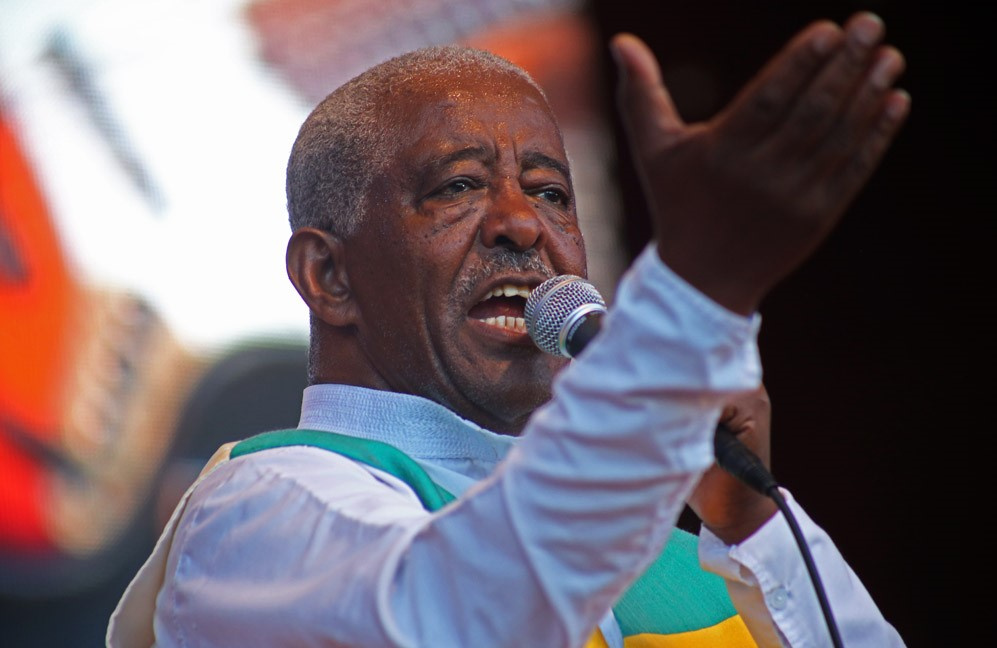
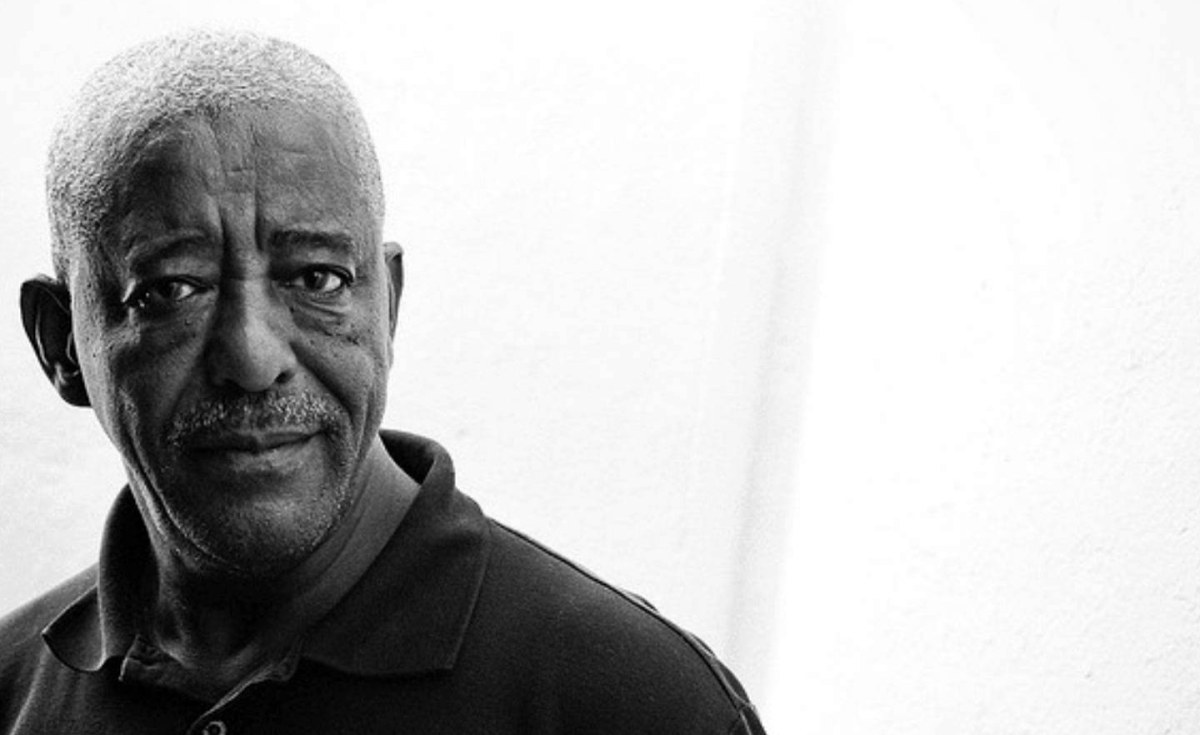
Born in Addis Ababa's Mercato district, Mahmoud Ahmed was captivated by the music he heard on Ethiopian radio from a young age. With poor school performance, he initially worked as a shoeshiner before becoming a handyman at the Arizona Club, a popular spot for Emperor Haile Selassie I's Imperial Bodyguard Band. In 1962, when the band's singer was absent one night, Mahmoud seized the chance to perform. He quickly became a regular member of the band and stayed with them until 1974.
After releasing his first single with Venus Band, "Nafqot New Yegodagn" and "Yasdestal," in 1971, Mahmoud Ahmed continued recording with various bands for the Amha and Kaifa labels throughout the 1970s. Following the fall of Emperor Selassie and the curtailment of musical nightlife under the military regime, the Ethiopian music scene changed significantly. Despite the dissolution of the Imperial Body Guard Band, Mahmoud remained active, producing hit records and cassettes with bands like the Dahlak Band and the Ibex Band. He also began releasing solo cassettes, often accompanying himself on instruments like the krar, guitar, or mandolin.
I think Its the first website on ethiopia to be good like this on musical content keep it up we expect more from you. Bruv
Thank you for the support Mrs.